Third Culture Kids: Global Community Blueprint
Third Culture Kids (TCKs) are children who spend a significant portion of their formative years outside their parents’ passport culture. Core traits include intercultural fluency, linguistic flexibility, and an increased comfort with ambiguity. That profile brings strengths: adaptability, cross-cultural empathy, and global networks. It also brings persistent questions about identity, belonging, and continuity. Practitioners tracking mobility note that many TCKs attend international schools, move with corporate, diplomatic, military, missionary or NGO families, and often experience multiple school or country transitions before adulthood.
Types of TCKs and Typical Patterns
TCKs appear in multiple patterns that shape needs and programming priorities. Military families typically relocate every two to three years and require fast social integration support. Corporate expatriates often have predictable multi-year assignments with strong adult resources but limited local social depth. Missionary and NGO families may face longer stays in under-resourced contexts with heightened safety and health concerns. Repatriated TCKs confront reverse culture questions when returning to a passport country. Global nomads move frequently by choice and need flexible identity and credentialing support. The differences matter for mentorship matching, mental health triage, and education transition planning.
Below is a structured comparison to clarify program design priorities. The grid that follows outlines mobility cadence, typical ages of transition, primary challenges, and priority services for each pattern.
| Category | Typical mobility cadence | Common transition ages | Primary identity or wellbeing challenge | Priority program response |
|---|---|---|---|---|
| Military TCK | Every 2–3 years | Early childhood to adolescence | Repeated school disruption; attachment stress | Rapid onboarding kits, school liaison, parent briefings |
| Corporate Expat TCK | 2–5 years per posting | School-age to teen | Social integration; adult-focused family resources | Career-family workshops, international school partnerships |
| Missionary / NGO TCK | Multi-year or long-term | Childhood through adolescence | Isolation; safety and trauma exposure | Tele-counseling, trauma-informed care, emergency planning |
| Repatriated TCK | One-way return or periodic returns | Adolescent transition | Reverse culture shock; identity gap | Repatriation mentoring, university prep modules |
| Global Nomad TCK | Frequent moves, variable length | Any age | Lack of long-term roots; credential continuity | Digital portfolios, peer micro-communities, flexible education pathways |
Identity Formation and Developmental Impacts

Mobility shapes attachment patterns, language development, and social schemas. Longitudinal research from international schools and child development centers shows TCKs often develop hybrid identity narratives by adolescence. That hybrid identity can enhance creative problem solving and language mastery but may increase loneliness and a persistent sense of rootlessness. Mental health professionals recommend proactive screening for depressive symptoms during transition windows and structured peer support during critical schooling changes.
Barriers to Connection and the Global Need for Networks
Loneliness among mobile youth is not merely anecdotal. UN estimates indicate 281 million international migrants in 2020, and tens of millions of children live transnational lives within those flows. Language differences, time zones, and irregular mobility patterns fragment access to consistent peer networks. Peer-led groups and shared narratives reduce isolation, accelerate cultural reintegration, and improve educational continuity. Building platforms that respect asynchronous participation and multilingual access is essential for retention.
Principles for an Inclusive Global Community
Design principles should center accessibility, cultural sensitivity, and anti-othering. Accessibility requires low-bandwidth options, mobile-first interfaces, and varied schedules to accommodate global time zones. Cultural sensitivity includes local moderation norms, trauma-aware language, and mechanisms to elevate underrepresented voices. Community governance must be transparent, with published safety protocols, child safeguarding policies aligned to international norms, and ethical guidelines for data use.
Digital Tools, Privacy, and Offline Integration
Digital hubs, membership platforms, and moderated forums form the backbone of scalable connection. Effective digital strategies combine evergreen content (podcasts, recorded panels) with live mentorship sessions timed across regions. Privacy and data protection practices must conform to GDPR and be adapted where members live; young members require parental consent workflows and robust moderation. Hybrid delivery models that pair virtual meetups with local chapters increase belonging and offset digital fatigue.
Programs, Youth Leadership, and Partnerships
Workstreams that drive impact include mentorship cohorts, education-transition modules, career clinics for global CVs, and counseling pathways. Engaging young people through youth councils and ambassador roles builds ownership and sustainability. Partnerships with international schools, embassies, NGOs, and employers amplify reach and create referral pipelines. Funding should be diversified across membership tiers, grants, and corporate partnerships to avoid overreliance on a single revenue line.
Measuring Impact and Managing Risks
Key metrics for community health are engagement (active members per cohort), retention across six and twelve months, self-reported wellbeing, and geographic reach. Qualitative case narratives, periodic surveys, and pilot A/B testing inform iterative design. Risk management includes moderation staffing, safeguarding minors, preventing tokenism, and addressing cultural appropriation. Volunteer burnout is a real operational risk; clear role definitions, rotation systems, and paid staff for high-burden functions reduce turnover.
Practical Rollout and Future Tools
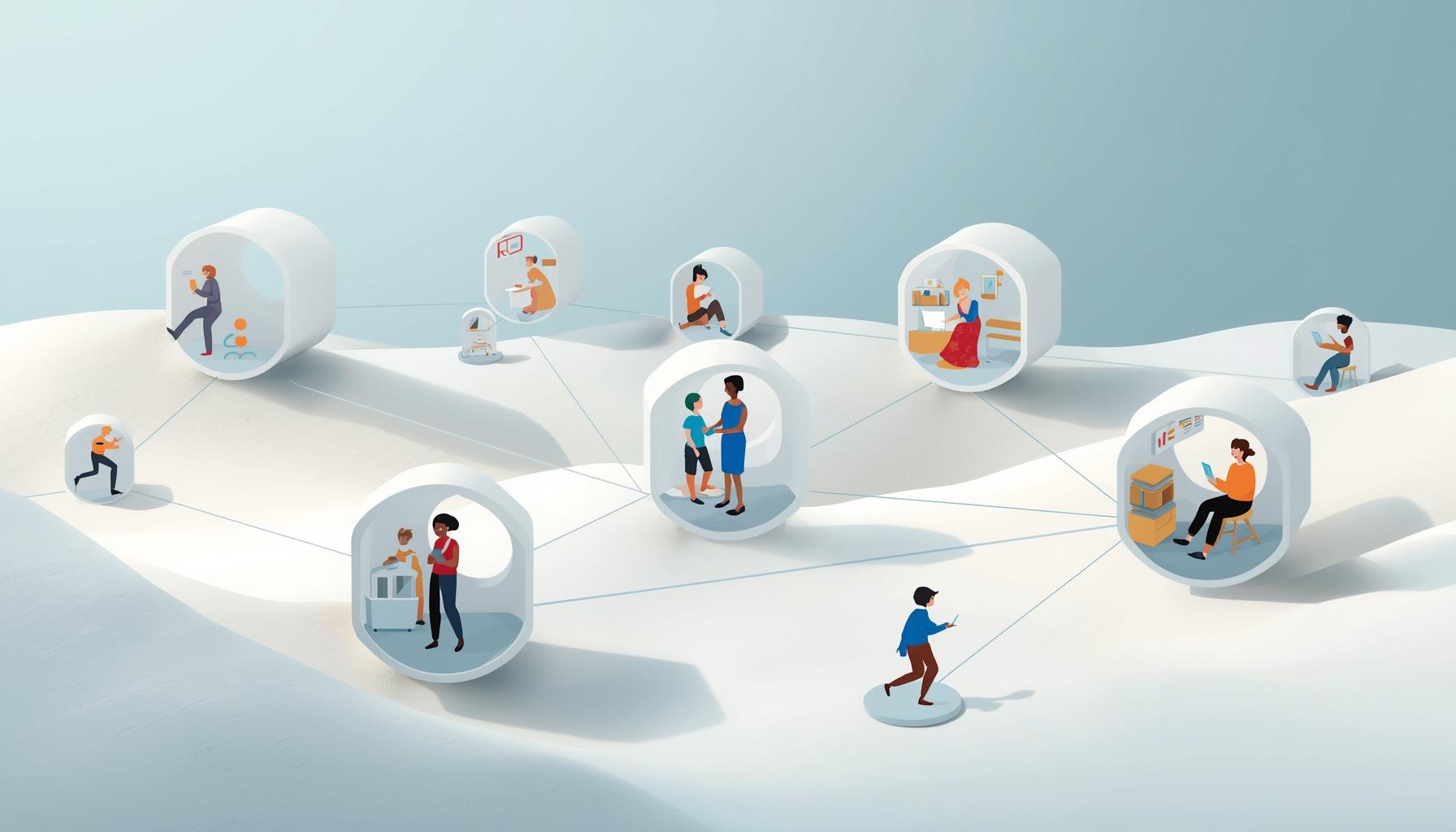
Pilots should run for 6–12 months with clearly defined KPIs, feedback mechanisms, and sample cohorts across two time zones. Core roles include community manager, safeguarding officer, program coordinator, and regional volunteers. Future capabilities to watch: immersive cultural exchanges via virtual reality for empathy-building, AI matching for mentorship and translation, and policy shifts that affect mobility and schooling. Embedding research partnerships with universities enhances credibility and informs long-term education policy advocacy.
Visibility, Media, and Amplifying Voices
High-quality storytelling through podcasts, video series, and multilingual features elevates TCK visibility and creates recruiting funnels. User-generated narratives and editorial standards that protect privacy can surface role models from underrepresented backgrounds. An editorial calendar aligned to school calendars, exam seasons, and holiday migrations maximizes relevance and engagement for the global community.
I Am A Triangle can anchor these strategic elements to offer consistent belonging, practical supports, and leadership pathways for TCKs, expats, repatriates, and global nomads. The combination of robust digital infrastructure, ethical governance, youth leadership, and localized in-person chapters creates durable social capital for a life lived across borders.